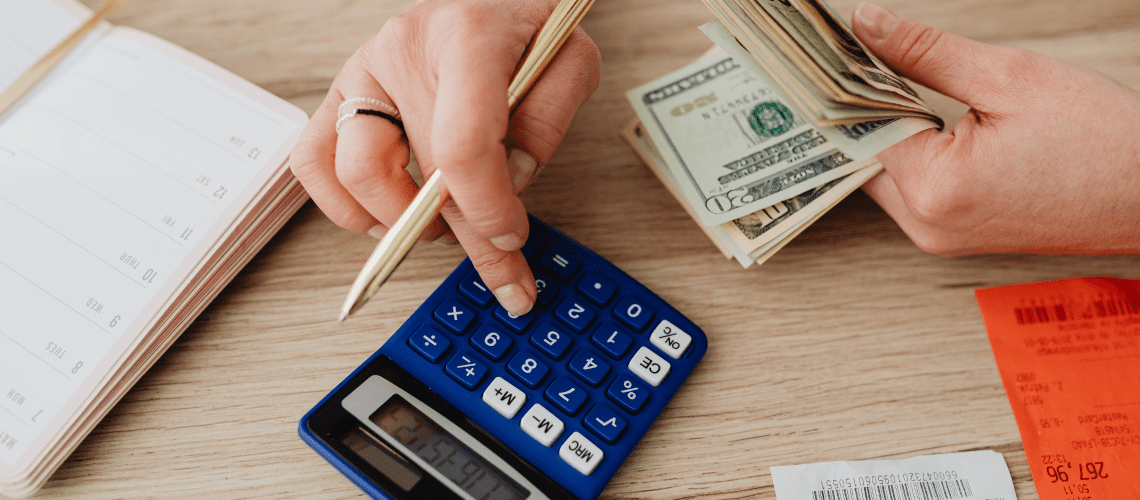
You spot a shop paying $20. Not bad, right? But here’s the catch — that number tells you almost nothing about what you’ll really earn.
Your mystery shopping hourly rate isn’t the posted fee. It’s what you take home after factoring in drive time, report writing, and mileage costs. Most shoppers never calculate their real mystery shopping hourly rate. They end up working for far less than they think.
This guide shows you how to find your true hourly rate. We’ll break down the hidden time and money costs that eat into your pay. Plus, there’s a free calculator so you can check any shop before you accept it.
Why the Posted Fee Lies to You
The shop fee is just one piece of the puzzle. A $25 dinner shop sounds great. But you’ll spend two hours or more on it. That changes everything.
What the Fee Doesn’t Show
When you see a $20 shop, here’s what’s missing from that number:
- Drive time to the location and back home
- Time spent inside doing the shop
- Report writing after you’re done
- Wait time for certain things to happen
- Mileage costs that come out of your pay
Let’s say that $20 shop takes two hours total. That’s $10 per hour before expenses. Now subtract $8 in mileage costs. You’re down to $6 per hour. That’s your real mystery shopping hourly rate — not $20.
The Hidden Time Costs
Time is money. Every minute you spend on a shop is a minute you could spend elsewhere. Here’s where your time goes — and why it matters for your mystery shopper pay per hour.
Travel Time
This is the biggest time thief. A shop 15 miles away means 30 minutes or more of driving. That’s unpaid time that tanks your rate.
City shoppers deal with traffic. Rural shoppers drive farther. Either way, travel time adds up fast. A shop that looks quick can eat an hour just getting there and back.
Time at the Location
Shop time varies a lot based on the type of job:
- Fast food: 15 to 20 minutes
- Casual dining: 45 to 75 minutes
- Retail: 10 to 30 minutes
- Bank visit: 30 to 45 minutes
- Apartment tour: 45 to 90 minutes
You can’t rush most shops. The job takes what it takes.
Report Writing
This part often takes longer than the shop itself. A simple retail report might take 15 minutes. A detailed dining report can run 30 to 45 minutes. Complex ones with long write-ups? Over an hour.
New shoppers always miss this. They think the job ends when they leave the store. It doesn’t.
Wait Time
Some shops need you to wait for certain things to happen. An employee greeting. An upsell attempt. A manager visit. You can’t control when these occur. A “quick” shop can stretch out fast.
The Hidden Money Costs
Time isn’t the only thing eating your pay. Real dollars leave your pocket too.
Mileage Costs
The IRS rate for 2026 is $0.725 per mile. That covers gas, wear, and car value loss. A 20-mile round trip costs you $14.50 in real expenses.
Many shoppers ignore mileage. Don’t. It’s real money coming out of your mystery shopper pay per hour.
Out-of-Pocket Costs
Some shops have costs beyond the payback cap. Tips that go over the allowed amount. Parking fees. Tolls. These eat into your take-home.
Always check the shop details before you accept. Know what you’ll pay out of pocket.
The Tax Reality
You’re a contractor. No one takes taxes out for you. Plan to set aside 25% to 30% for self-employment tax. A $20 fee becomes $14 to $15 after Uncle Sam’s cut.
This matters for your real mystery shopping hourly rate. Pre-tax and post-tax pay are very different numbers.
How to Calculate Your True Hourly Rate
Here’s the simple formula:
True Hourly Rate = (Shop Fee − Mileage Cost) ÷ Total Hours
Let’s walk through a real example.
You’re looking at a restaurant shop. It pays $25. The location is 8 miles away.
- Mileage cost: 16 miles round trip × $0.725 = $11.60
- Net pay: $25 − $11.60 = $13.40
- Travel time: 20 minutes each way = 40 minutes
- Shop time: 50 minutes
- Report time: 25 minutes
- Total time: 115 minutes = 1.92 hours
- True hourly rate: $13.40 ÷ 1.92 = $6.98 per hour
That $25 shop? You’re earning under $7 per hour. This is why knowing your true mystery shopping hourly rate matters before you accept any job.
⏱️ True Hourly Rate Calculator
Plug in any shop’s details to see what you’d really earn per hour.
Your Results
* Based on 2026 IRS mileage rate of $0.725/mile. Does not include taxes or other expenses.
What’s a Good Mystery Shopping Hourly Rate?
Not all shop types pay the same. Here’s what to expect for your mystery shopper pay per hour across different job types. These ranges reflect real rates after time and mileage costs.
| Shop Type | Typical True Hourly Rate |
|---|---|
| Fast food | $8 to $12/hour |
| Casual dining | $10 to $15/hour |
| Retail | $12 to $18/hour |
| Bank / financial | $15 to $25/hour |
| Apartment tours | $18 to $28/hour |
| Video shops | $20 to $35/hour |
Context matters a lot. A $10/hour shop on your daily commute beats a $15/hour shop 30 minutes away. Location and timing change the math.
Your rate also improves with practice. Faster reports mean a higher hourly rate from the same shop fee.
When to Say No to a Shop
Use your true hourly rate to set a floor. Many pros won’t touch anything under $12 to $15 per hour.
Red flags that tank your rate:
- Long drive for a low fee
- Complex reports for simple visits
- Tight time windows that waste your day
- Required buys that exceed the payback
It’s okay to say no. Your time has value. Bad shops teach companies they need to pay more.
Quick rule: If the calculator shows under $10/hour, skip it. Unless there’s a good reason to take it anyway.
When Low-Paying Shops Are Still Worth It
Sometimes the math isn’t everything. Here’s when a lower rate can still make sense.
Route Batching
A $12/hour shop that’s bad alone becomes solid when you batch it. Group three shops in the same area. Your drive time per shop drops. Overall rate climbs.
Think in routes, not single shops. That’s how top earners do it.
Building Your Ratings
New shoppers sometimes need to take lower-paying jobs. It builds your score. Think of early shops as paid training. Once your ratings are strong, better jobs open up.
The Perks Factor
A $15 restaurant shop with a $50 meal payback has hidden value. You’re getting a free dinner out of it. The low fee matters less when you’d eat there anyway.
Perks aren’t income. But they’re real value you shouldn’t ignore.
Shops on Your Existing Route
A quick gas station shop near your job takes 20 minutes total. Even at a $10 fee, that’s $30/hour. Why? You’re not adding real drive time. It fits into what you’re already doing.
Always look for shops that layer into trips you’d make anyway.
How to Boost Your Rate Over Time
Your mystery shopping hourly rate isn’t fixed. It grows as you get smarter about the work. Here’s how to push your numbers up.
Get faster at reports. Use templates. Take voice notes in your car. Practice makes you quicker. A 45-minute report becomes 20 minutes with skill.
Batch your shops. Group jobs by area. One trip, three shops. Travel time per shop drops fast.
Hunt for bonuses. End-of-month shops often have extra pay added. Same time, more money. Check boards often during the last week.
Know your market. Learn which companies pay best for which shop types near you. Focus on the good ones.
Track everything. You can’t improve what you don’t measure. Log your time and earnings. Find patterns. Cut what doesn’t work.
Final Thoughts
The posted fee is marketing. Your true mystery shopping hourly rate is reality.
Before you accept any shop, run the numbers. Factor in travel, time, and mileage. If the math doesn’t work, move on to something better. There are always more shops.
Use the calculator above when you’re not sure. It takes 30 seconds and saves you from wasting hours on bad jobs. Over time, you’ll get a feel for which shops work and which don’t. But when in doubt, do the math.
Mystery shopping can pay well. But only when you’re smart about which jobs you take. Know your worth. Guard your time. Let your true mystery shopper pay per hour guide your choices — not the headline number on a job board.
Want to see the bigger earnings picture?
Check out our guide on how much mystery shoppers make with our Income Estimator Calculator.
Or explore mystery shopping as a side hustle to see how it fits your life.
Ready to start? Browse our company directory to find the best options near you.