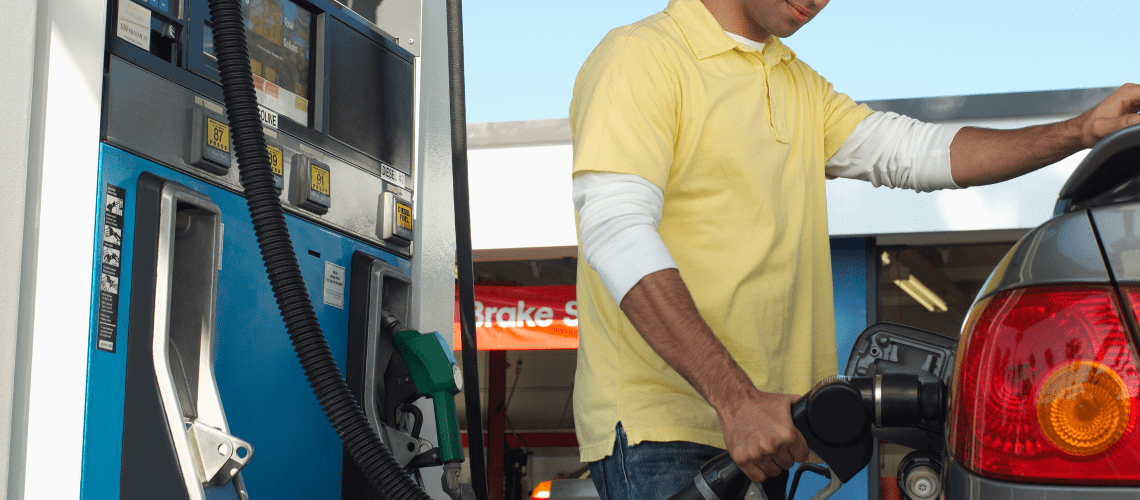
A $15 shop pops up on the board. It’s 25 miles away. Should you take it? Your gut says yes — fifteen bucks is fifteen bucks. But the math tells a different story.
Every mile you drive costs real money. Gas, wear on your car, tire life, oil changes — it all adds up. Many shoppers grab distant jobs without thinking about mystery shopping mileage costs. They end up working for pennies. Or worse, losing money on shops they thought would pay.
This guide teaches you how to calculate break even mileage mystery shopping style. That’s the maximum distance worth driving for any shop fee. Once you know this number, you’ll never waste gas on a bad job again. There’s a calculator below so you can check any shop in seconds.
Why Mileage Matters More Than You Think
The shop fee isn’t your profit. It’s your gross pay. Your real earnings come after expenses. And mystery shopping mileage is usually the biggest expense of all.
The True Cost of Driving
The IRS sets a standard mileage rate based on real vehicle costs. For 2026, it’s $0.725 per mile. This covers gas, insurance, maintenance, depreciation, and wear.
That 50-mile round trip? It costs you $36.25 in real expenses. If the shop pays $30, you’re losing money before you even write the report.
Why Shoppers Ignore This
Gas is the only cost you feel at the pump. The rest happens slowly. Brake pads wear down. Tires lose tread. Oil needs changing. Your car loses value with every mile.
Easy to ignore. But it’s real money leaving your pocket. Smart shoppers track mystery shopping mileage carefully. It’s the difference between profit and loss.
What Is Break-Even Mileage?
Break even mileage mystery shopping means the maximum round-trip distance where you still make money. Drive farther than that, and your mileage cost exceeds your fee.
The Simple Formula
Break-Even Miles = Shop Fee ÷ Cost Per Mile
Let’s try an example. A shop pays $20. The IRS rate is $0.725 per mile.
$20 ÷ $0.725 = 27.6 miles
If the round trip is under 27.6 miles, you profit on mileage. Over that? You’re losing money on the drive alone — before counting your time.
What About Your Time?
Break-even mileage only covers the cost of driving. It doesn’t account for time behind the wheel. That’s a separate calculation. Check our true hourly rate calculator for that.
Think of break-even mileage as the absolute floor. If the drive costs more than the fee, don’t take the shop. Period.
Break-Even Mileage by Shop Fee
Here’s a quick reference using the 2026 IRS rate of $0.725 per mile. Use this for fast gut checks on mystery shopping mileage decisions.
| Shop Fee | Break-Even Round Trip |
|---|---|
| $10 | 13.8 miles |
| $15 | 20.7 miles |
| $20 | 27.6 miles |
| $25 | 34.5 miles |
| $30 | 41.4 miles |
| $40 | 55.2 miles |
| $50 | 69.0 miles |
| $75 | 103.4 miles |
| $100 | 137.9 miles |
If a $15 shop is 25 miles away round trip, you’re already in the red on mileage alone. That’s before you spend an hour on the shop and report.
🚗 Break-Even Mileage Calculator
Enter a shop fee to see the maximum distance worth driving. Add actual miles to compare.
Your Results
📊 Your Shop Comparison
* Based on 2026 IRS mileage rate of $0.725/mile. Does not include time costs — use our True Hourly Rate Calculator for that.
When to Ignore the Math
Numbers don’t tell the whole story. Sometimes a shop past your break-even point is still worth taking.
Route Batching
If you’re doing three shops in one trip, the mileage gets split across all of them. A distant shop that’s bad alone might make sense as part of a route. Your mystery shopping mileage per shop drops when you batch smart.
Shops on Your Commute
A gas station shop near your workplace adds almost no extra miles. The “distance” in your calculation should be extra miles — not total miles from home. If you pass it anyway, the real cost is close to zero.
Bonused Shops
A $15 shop with a $20 bonus is now a $35 shop. That changes everything. A 40-mile round trip that was terrible at $15 becomes profitable at $35. Always recalculate when bonuses appear.
Building Your Reputation
Early in your career, some low-value shops help build your ratings. Think of the loss as an investment. Once your scores are strong, better jobs open up. Just don’t make losing money a habit.
Shops You’d Do Anyway
A restaurant shop at a place you’d visit for dinner? The meal reimbursement has value beyond the fee. If you’d spend that money anyway, factor in the perk when making your choice.
When to Follow the Math Strictly
Sometimes the numbers should be your final answer. No exceptions.
Low-Fee Shops in Remote Areas
A $12 shop 30 miles away is a hard no. You’ll lose money and time. No amount of “building reputation” makes that worthwhile. Pass and wait for something better.
When Better Options Exist
If local shops are available, why chase distant ones? Compare your options. The best shop isn’t always the highest fee. It’s the best profit after mystery shopping mileage and time costs.
When Gas Prices Spike
The IRS rate is an annual average. When gas hits $5 per gallon, your real cost per mile jumps above the standard rate. Be extra cautious about distance during price spikes.
When Your Car Is Older
Older vehicles cost more to maintain per mile. If your car is high-mileage, those distant shops speed up expensive repairs. Factor that into your decisions.
Tracking Your Mystery Shopping Mileage
Good mileage tracking does two things. It helps you make smart decisions about which shops to take. And it saves you real money at tax time. Don’t skip this step.
Use an App
Apps like Stride, Everlance, or MileIQ track your drives using GPS. Start the app when you leave for a shop. Stop when you return home. It logs everything for you — dates, distances, and routes. Most are free or low cost.
Keep a Simple Log
If apps aren’t your thing, a spreadsheet works fine. Record the date, shop name, company, starting odometer, ending odometer, and total miles. Do it right after each shop while the numbers are fresh. A few seconds of logging beats hours of guessing later.
Why It Matters for Taxes
Every mile you drive for mystery shopping is tax deductible. At $0.725 per mile, 2,000 miles saves you over $1,400 in taxable income. That’s real money back in your pocket each year. The IRS wants records if they ever ask, so track from day one. Don’t leave that deduction on the table.
Check out our mystery shopping taxes guide for the full breakdown on deductions and quarterly payments.
Combining Break-Even with Hourly Rate
Break-even mileage tells you if a shop loses money on driving costs. But it doesn’t tell you if the job is worth your time.
The smarter question: What’s my hourly rate after mileage?
Use both calculators together for the full picture:
- Step 1: Check break-even mileage. If you’re over, stop there. Don’t take the shop.
- Step 2: If you’re under break-even, calculate your true hourly rate to see if the time makes sense.
A shop might pass the mileage test but fail the time test. A $30 shop that’s 20 miles away clears break-even. But if the report takes two hours, you’re earning under $8 per hour. Layer your decisions. Mileage first, then time.
Final Thoughts
Every mile costs money. The IRS says $0.725 per mile in 2026. That’s not a guess — it’s based on real vehicle expenses that add up whether you notice them or not. Gas is just the start. Maintenance, tires, and car value loss happen with every trip.
Before you accept any shop, do the quick math on mystery shopping mileage. Is the round trip under your break-even point? If not, move on. There will always be more shops closer to home or with better fees.
Use the calculator above to check any job in seconds. It takes the guesswork out and keeps you from wasting gas on bad opportunities. Bookmark this page and come back whenever a distant shop tempts you.
Mystery shopping should put money in your pocket — not drain it through your gas tank. Know your break even mileage mystery shopping numbers. Protect your profit. And track every mile so you get that deduction at tax time.
Want the complete picture on earnings?
Calculate your true hourly rate after mileage and time costs.
Learn about mystery shopping taxes and how mileage deductions save you money.
See realistic income ranges in our guide on how much mystery shoppers make.